-
Why Is My Cast Iron Sticky? (And How to Fix It)
Oh no – your cast iron feels sticky or tacky! Don’t worry, you didn’t ruin it — but something did go wrong in the seasoning process. But I have good news! This is one of the easiest cast iron problems to fix.
Sticky cast iron usually means that you used too much oil, not enough heat, or oil that didn’t fully polymerize. Let’s break it all down so you can fix it and ensure it never happens again.
What Causes Sticky Cast Iron?
1. Too Much Oil During Seasoning
This is the most common cause of sticky cast iron.
Seasoning happens when oil polymerizes. Basically, the oil polymerizes to transforms into a hard, dry layer that’s bonded directly to the pan. When too much oil is applied, it can’t fully bond and instead dries into a gummy residue.
That stickiness is excess oil that didn’t polymerize.
2. Not Enough Heat
Seasoning requires high heat to polymerize oil.
If the pan didn’t get hot enough during the seasoning process, or wasn’t hot for long enough, the oil partially cooked instead of fully bonding. It didn’t polymerize.
3. Wrong Oil (or Oil Burned Incorrectly)
Some oils are better for seasoning your cast iron than others.
Highly reactive oils (like flaxseed oil) can work, but they’re also more likely to flake off or stay sticky.
Neutral oils (canola, vegetable, grapeseed) are more reliable, especially for beginners. Or you could even try a dedicated cast iron seasoning spray.
How to Fix Sticky Cast Iron (Step-by-Step)
Option 1: The Quick Fix (Mild Stickiness)
If the pan is only slightly sticky, here’s what to do:
- Place the pan on your stovetop
- Heat on medium-high until it starts to lightly smoke
- Let it smoke for about five minutes
- Turn off heat and let cool completely
This often finishes polymerizing the leftover oil. You can even (cautiously) rub off some of the oil with a cloth when the pan is hot.
Option 2: The Reliable Fix (Recommended)
If the pan is very sticky, we’ll need to work a little harder. Here’s what to do:
- Wash the pan
- Hot water
- Mild dish soap is OK
- Scrub it! A chainmail scrubber or nylon brush works especially well here — strong enough to remove excess oil without damaging good seasoning.
- Dry completely
- Towel dry
- Then heat on the stove for 1–2 minutes
- Apply a very thin coat of oil
- Use ½ teaspoon or less
- Rub it all over the surface of the pan
- Then use a soft cloth to wipe off excess oil
- Bake or stovetop season
- Oven: 450–500°F for 1 hour
- OR stovetop: heat until smoking evenly
- Let cool fully
Your pan or pot should now feel dry and smooth, not glossy or sticky.
How to Prevent Sticky Seasoning Next Time
- Use less oil than you think you need
- Wipe excess oil off before applying heat
- Season at high heat
- Let the pan cool completely
- Build seasoning slowly through cooking
Cast iron improves over time as you cook with it. Rushing seasoning can often causes problems.
Is Sticky Cast Iron Unsafe to Use?
No. Sticky seasoning is just annoying, and does not pose a danger in any way.
You can still cook with it, though your cast iron might not have the best non-stick properties when it’s tacky. I suggest re-seasoning as soon as you’re able!
Final Takeaway
Sticky cast iron isn’t a failure, it’s just a sign that you may have gotten a little too enthusiastic with the oil.
Too much oil and not enough heat = tacky pan.
Less oil, more heat, and lots of patience = perfect seasoning.Every time I think I messed up my pan, I have my mantra “Don’t panic! Your pan is tougher than you think.”
-
Everything You Need to Know About Seasoning Cast Iron
When I first became interested in cooking with cast iron, the term “seasoning” confused me. I like to season my food with salt and pepper, do I need to do the same to my cast iron pan?
As it turns out, cast iron seasoning has nothing to do with flavor. Seasoning is what creates the protective, non-stick surface on cast iron cookware. Once you get the hang of how to do it, it’s easy to maintain a strong seasoning on your cookware.
What is Cast Iron Seasoning?
Seasoning is the thin, protective layer that makes cast iron naturally non-stick.
Each layer of seasoning is essentially made up of baked-on oil. When you you heat up a cast iron pan coated in oil, the oil will polymerize and bond with the cast iron creating a smooth, non-stick layer. Over time, as you cook and reapply thin layers of oil, these layers build up and improve the pan’s performance.
The more consistent you are with your seasoning, the easier it is to cook with and care for cast iron.
Do you Need to Season “Pre-Seasoned” Cast Iron?
My first piece of cast iron cookware was a Christmas present – a Lodge 12″ skillet that I immediately loved as if it were my child. But when I saw the “pre-seasoned” label, I wasn’t really sure what that meant. So, was my pan already non-stick? Would I need to season it again?
The truth is, you can start cooking with pre-seasoned cast iron right away. It already has a basic layer of seasoning applied at the factory. That said, it won’t yet have the smooth, easy-release surface that develops over time. Building good seasoning takes patience and regular use. It takes a while to build those layers up, so just keep at it!
Ideally, the first thing you cook in your cast iron pan should be something high in fat. Alternately, you can simply coat the pan’s cooking surface with very thin coat of a neutral oil (like grapeseed oil) before using it for the first time.
How Often Should You Season Cast Iron?
If you cook in your cast iron a lot, it will naturally build up seasoning. This is especially true if you cook with fats at high temperatures.
When you first start using a new cast iron pan, it won’t have that lovely non-stick coating, so always use oil or another fat when sauteing or searing something. Using oil when cooking at high temperatures will help to season your pan as well.
You can also season your cast iron on your stovetop or in the oven as often as you like. It’s really virtually impossible to over-season, but it’s also important to realize that a strong seasoning takes a long time to build up. It’s not something you can do overnight!
How Do I Season Cast Iron?
Start with your oil or fat of choice, and then apply the thinnest possible layer with a soft cloth (shop towels work surprisingly well!). Wipe the oil thoroughly and evenly across the entire surface of the cookware. More oil is NOT better – it will leave behind a sticky residue.
Once your cookware is coated in that very thin layer of oil, place it in your oven and turn the oven on to 450 degrees. Leave your cookware in for an hour to 90 minutes, and then turn the oven off. Let the cookware cool down inside the oven until it’s cool enough to handle.
You can also season your cast iron pan more quickly on the stovetop if you’re short on time! To do this, you can coat the cookware in a very thin coat of oil and heat over medium-high heat on the stovetop until the pan is lightly smoking. Let the pan smoke for a few minutes, and then turn off the heat.
-
How to Clean Your Cast Iron Cookware
When venturing into the world of cast iron cookware, it can be easy to get intimidated, especially when it comes to cleaning your cast iron pots and pans.
Soap or no soap? Can cast iron go in the dishwasher? How should I dry it? Do I need to take any other steps? Here’s the most straightforward answer you can get.
Can I Use Soap on Cast Iron?
This is probably the most controversial element of cast iron care – you’ll hear plenty of people on both sides of the fence. If you ask your grandmother (or anyone older than 60) if you should use soap on your cast iron pan, you’ll get a firm NO, and possibly a lecture.
But the truth is, soap is a lot less harsh than it used to be, and the seasoning you’ve built up on your cast iron cookware is stronger than you think. If you left harsh soap sitting on your pan for a long time, you might have a problem, but a quick swipe with soap won’t hurt it.
That said, I personally rarely use soap on my cast iron because I usually don’t need to. There are other effective ways to clean cast iron that don’t involve soap at all, and we’ll get to those next. If you do feel the need to use a little soap, don’t stress about it.
Can Cast Iron go in the Dishwasher?
No! Keep your cast iron out of the dishwasher. This is really the one hard-and-fast rule when it comes to caring for cast iron. The dishwasher may damage your pots and pans or cause them to rust. Always wash cast iron by hand.
What’s the Best Way To Get Stuck-On Food off my Cast-Iron?
Once your cast-iron pot has built up months or years of seasoning, the surface will become virtually non-stick. But you may find that there are still a few bits of stubborn stuck-on food. What to do?
A plastic pan scraper is my favorite go-to (avoid metal, which can scratch the surface), but if I notice a lot of food residue, I’ll also scour my pot with coarse kosher salt, which works as a mild abrasive. It’s best to scrub or scour your pan while it’s still warm from cooking, as the food will not yet have hardened.
If a pan is especially greasy, I’ll scrub it with baking soda and a nylon brush immediately after cooking. Baking soda absorbs grease, neutralizes lingering smells, and provides just enough abrasion to lift stuck-on food without harming the surface.removing stuck-on bits.
How to Dry Your Cast Iron Properly
Drying your cast iron thoroughly after washing is one of the most important steps in preventing rust.
Cast iron is, after all, iron, and iron rusts when exposed to moisture. While small rust spots aren’t the end of the world, avoiding will save you a lot of stress.
After washing, dry your pan completely with a lint-free towel or paper towel. Then dry it again. Seriously, this step matters!
To make sure all moisture has evaporated, I often place the pan on the stovetop over low heat for a few minutes. The gentle heat ensures any remaining water disappears before storage.
Never let cast iron soak in water.
Should You Oil Cast Iron After Cleaning?
Some people recommend wiping your cast iron cookware down with a coating of oil after cleaning, but you have to be really careful with this. If you do rub your pots and pans down with oil, make sure it’s the thinnest coating possible. If you use too much oil, it will get sticky or gummy, as oil tends to do when it dries.
I occasionally oil my pans after cleaning, but I also season them regularly (sometimes just for fun), which helps maintain a strong, smooth surface.
If you make a mistake, you can almost always fix it, even if that means starting fresh with the seasoning. With basic care and a little patience, cast iron can easily last for decades.
-
Why Choose Cast Iron?
People have been using cast iron cookware for hundreds of years, but as we all know, just because something is an “oldie” doesn’t necessarily mean it’s a “goodie.” But cast iron cookware truly has stood the test of time.
Though sometimes its popularity occasionally wanes, it always seems to make a resurgence. And, of course, there’s a reason cast iron never really goes out of stile. Let’s take a deep dive into why cast iron cookware really is the best!
It’s Durable
Ever hear of someone inheriting their grandmother’s cast iron pan? As long as it’s well-cared for, cast iron cookware can virtually last forever. These heavy pots and pans can take a beating and still show up when you need dinner on the table ASAP.
Imagine never needing to buy another skillet again. Good cast iron can be a bit of an investment upfront, but you’ll be able to use it for decades, and maybe even pass it onto your grandkids.
It’s Versatile
Burgers tonight, deep-dish pizza tomorrow, bacon for breakfast. Sear those steaks, roast those veggies. Your cast iron pan can do it all. Because this cookware can handle high heat, you can move it from the stovetop right into the oven, which means fewer dishes to wash for you.
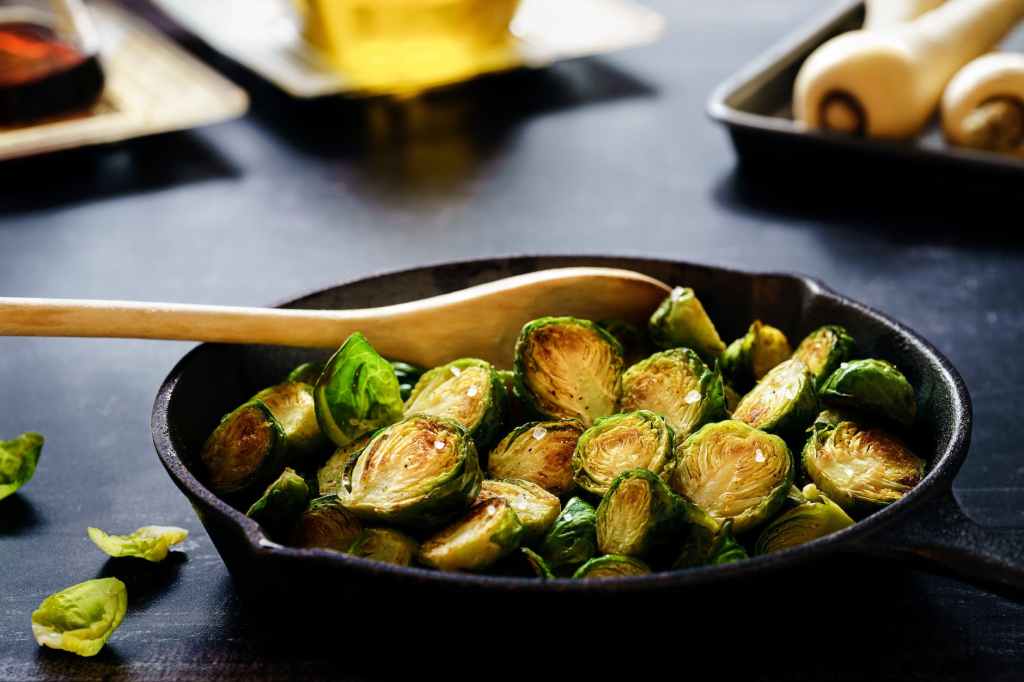
Cast iron is great, in particular, for searing and creating crisp crust on foods like seared chicken, roasted brussels sprouts, and more. And it’s perfect for baking pies and breads too.
It Can Double as a Weapon
It’s a classic cartoon move that we’ve all seen – someone gets smacked over the head with a heavy-cast iron pan, and is still seeing stars the next day. Alright, this part was mostly a joke, but you’re bound to put on a little muscle lifting your cast iron dutch oven every day.
If you’re still unsure about if cast iron is right for you, there’s a lot of information right here on this site. Keep an eye out for cooking tips, cleaning advice, and more.
 Caring for Your Cast Iron Cookware